Potato Bread
Potato bread is a delightful twist on traditional bread, offering a rich, moist texture and a subtle hint of flavor that makes it incredibly versatile. The secret ingredient? Potatoes! Using mashed or cubed potatoes not only enhances the taste but also contributes to a soft crumb that’s perfect for sandwiches or simply slathered with butter. In this article, we’ll take you through the process of making this delicious potato bread from scratch, ensuring each step is easy to follow and rewarding.
Top Reasons to Make Potato Bread
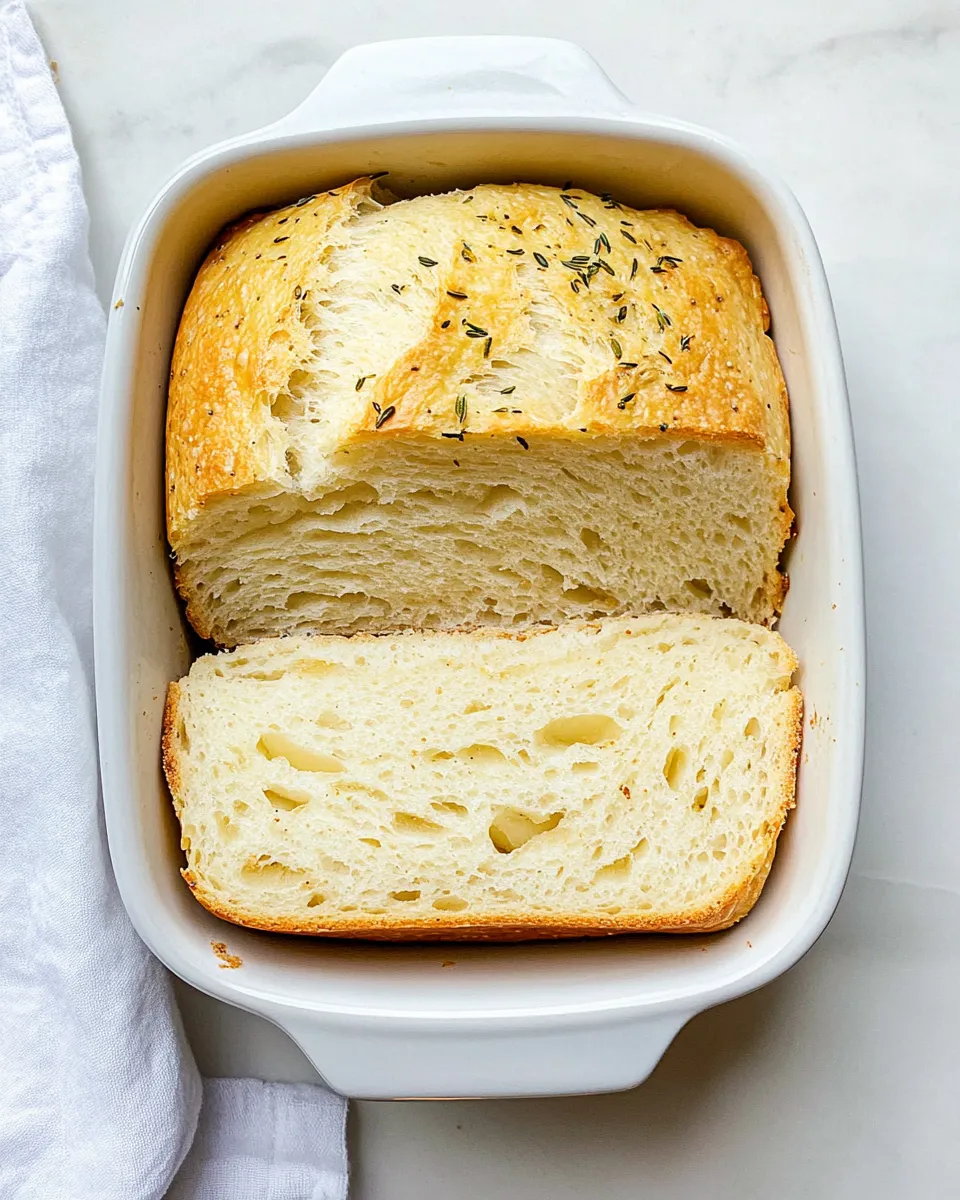
When it comes to baking bread, potato bread stands out for several reasons:
- Moisture Retention: The addition of potatoes keeps the bread wonderfully moist, even days after baking.
- Unique Flavor: Potatoes give the bread a subtle sweetness and a unique flavor profile that pairs well with various toppings.
- Versatility: Whether you want it for breakfast, lunch, or dinner, potato bread can be enjoyed in countless ways.
- Easy to Make: With simple ingredients, this recipe is beginner-friendly and perfect for home bakers.
- Perfect for Leftovers: This bread can be made with leftover potatoes, minimizing waste and maximizing flavor.
What You’ll Gather
To make your own potato bread, you’ll need the following ingredients:
- 2 medium russet potatoes (peeled and cubed)
- 1 cup milk
- ½ cup butter (unsalted)
- 1 teaspoon salt
- 2 teaspoons instant yeast (1 packet)
- 4 cups all-purpose flour (up to 5 cups)
Appliances & Accessories
Gather these kitchen tools to make your baking process smooth and enjoyable:
- Large Pot: For boiling the potatoes.
- Mixing Bowls: To combine ingredients.
- Wooden Spoon or Dough Hook: For mixing the dough.
- Baking Sheet or Bread Pan: To shape and bake your bread.
- Kitchen Towel: For covering the dough while it rises.
Potato Bread Cooking Guide
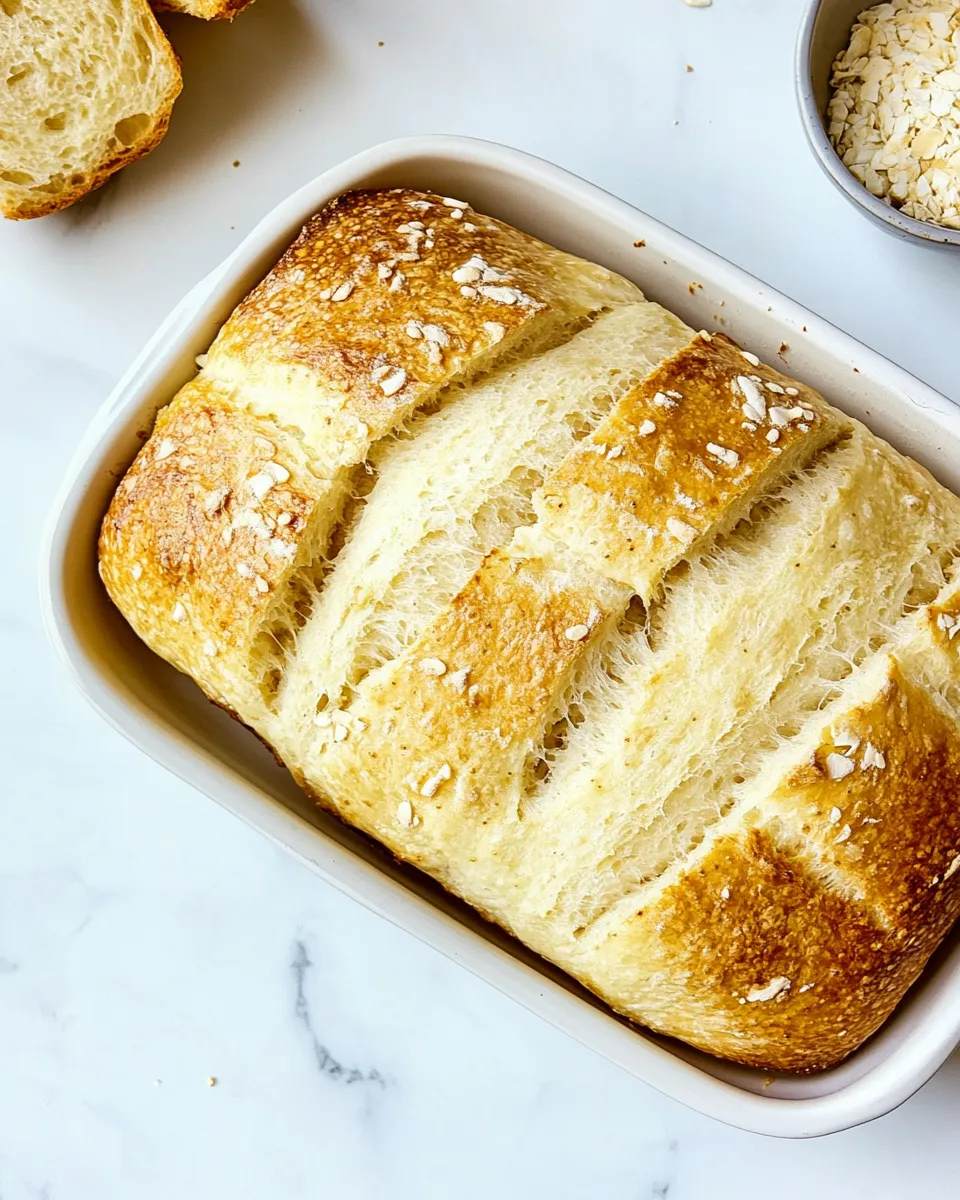
Follow these steps to create your delicious potato bread:
Step 1: Prepare the Potatoes
Start by bringing a large pot of salted water to a boil. Add the cubed russet potatoes and cook until they are fork-tender, about 15-20 minutes. Drain them and let them cool slightly. Once cool, mash the potatoes until smooth and set them aside.
Step 2: Heat the Milk and Butter
In a small saucepan, combine the milk and unsalted butter. Heat gently over low heat until the butter is melted and the mixture is warm but not boiling. Remove from heat and allow it to cool slightly.
Step 3: Combine Ingredients
In a large mixing bowl, combine the mashed potatoes, warm milk and butter mixture, salt, and instant yeast. Mix well until fully combined.
Step 4: Add Flour
Gradually add 4 cups of all-purpose flour to the potato mixture, stirring until a dough begins to form. If the dough is too sticky, add more flour, one tablespoon at a time, until it pulls away from the sides of the bowl.
Step 5: Knead the Dough
Transfer the dough onto a lightly floured surface. Knead the dough for about 8-10 minutes until it is smooth and elastic. Form it into a ball.
Step 6: First Rise
Place the dough ball in a greased bowl, cover it with a kitchen towel, and let it rise in a warm area until it has doubled in size, about 1-2 hours.
Step 7: Shape the Bread
Once the dough has risen, punch it down to release the air. Shape the dough into a loaf or divide it into rolls. Place it on a greased baking sheet or in a loaf pan.
Step 8: Second Rise
Cover the shaped dough again with the kitchen towel and let it rise for another 30-60 minutes until it puffs up.
Step 9: Bake the Bread
Preheat your oven to 375°F (190°C). Bake the bread for 25-30 minutes, or until the top is golden brown and the bread sounds hollow when tapped on the bottom.
Step 10: Cool and Enjoy
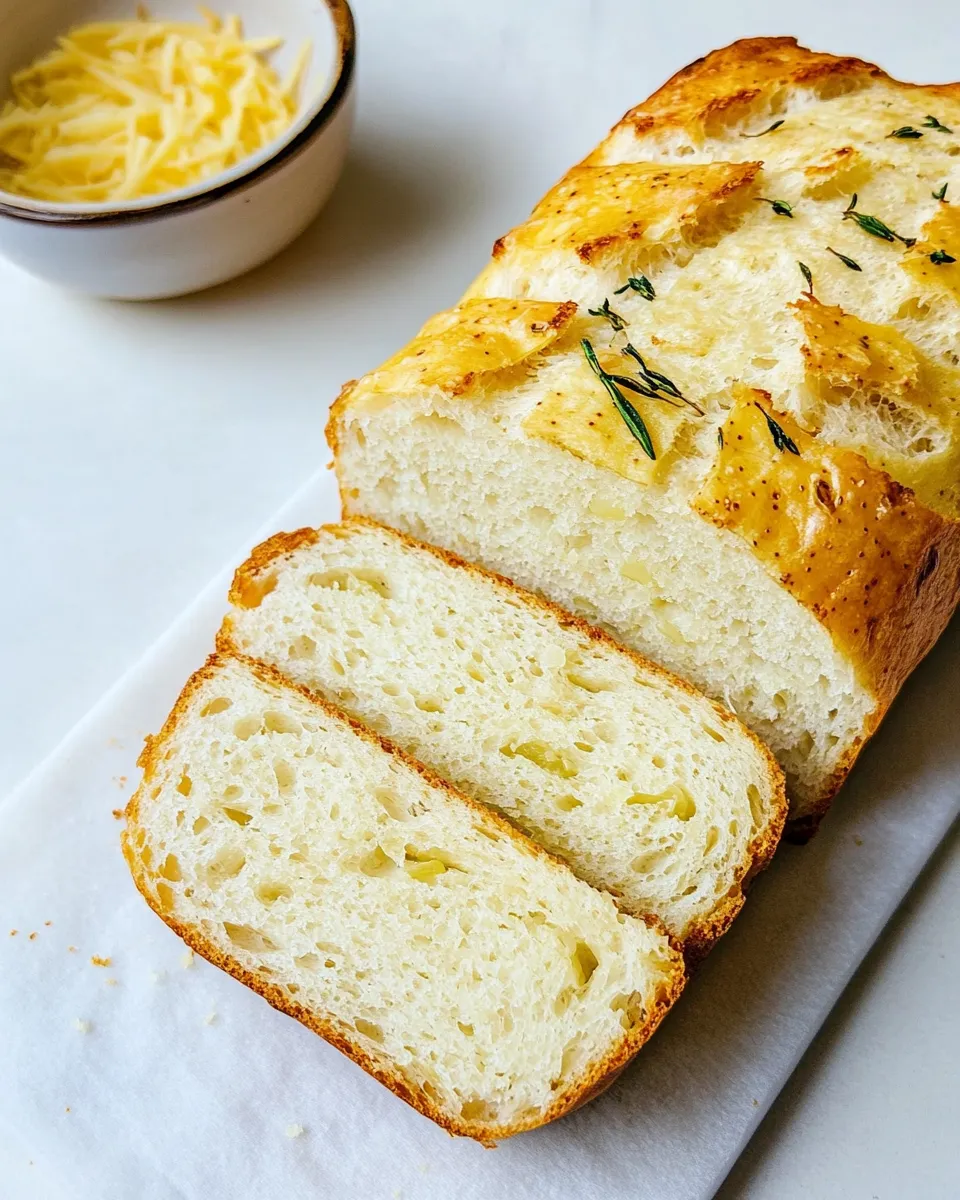
Remove the bread from the oven and let it cool on a wire rack before slicing. Enjoy your homemade potato bread warm or toasted with your favorite toppings!
Seasonal Serving Ideas
Potato bread is incredibly versatile and can be enjoyed in various ways throughout the year. Here are some seasonal serving ideas:
- Top with slow cooker mashed potatoes for a comforting winter meal.
- Serve as a sandwich with fresh summer vegetables and herbs.
- Use it for hearty fall soups, pairing the bread with pumpkin or squash flavors.
- Toast slices and serve with homemade jam or honey for a sweet spring breakfast.
Chef’s Notes
- For a richer flavor, consider adding herbs like rosemary or thyme to the dough.
- If you prefer a crusty loaf, place a baking dish with water in the oven while baking to create steam.
- Feel free to experiment with different types of flour, such as whole wheat, for added nutrition.
- Store any leftover bread in an airtight container to keep it fresh for longer.
Store, Freeze & Reheat
To ensure your potato bread stays fresh, follow these guidelines:
- Storing: Keep the bread wrapped in plastic wrap or in an airtight container at room temperature for up to 3 days.
- Freezing: Wrap the bread tightly in plastic wrap and then in aluminum foil. It can be frozen for up to 3 months.
- Reheating: To reheat, thaw the bread in the refrigerator overnight and warm it in the oven at 350°F (175°C) for about 10-15 minutes.
Reader Q&A
Can I use sweet potatoes instead of russet potatoes?
Yes, sweet potatoes can be used for a different flavor and added sweetness. The texture will be slightly different, but it will still yield a delicious bread.
What can I do if my dough doesn’t rise?
If your dough doesn’t rise, it might be due to inactive yeast. Ensure your yeast is fresh and that the milk wasn’t too hot or too cold when mixed with the yeast.
Can I make this bread vegan?
Absolutely! You can substitute the milk with a plant-based alternative and use vegan butter instead of regular butter.
Is potato bread gluten-free?
This recipe is not gluten-free, but you can try using a gluten-free flour blend to create a gluten-free version. Adjust the liquid as necessary.
Hungry for More?
If you enjoyed this potato bread recipe and are looking to expand your baking repertoire, consider trying other delicious recipes that incorporate potatoes or explore different types of bread. Each recipe offers its unique twist and flavor that can elevate your meals and bring joy to your kitchen.
With its unique flavor and texture, potato bread is sure to become a favorite in your home. Whether you’re enjoying it fresh out of the oven or toasting it for breakfast, this bread is a comforting addition to any meal. Happy baking!
Potato Bread
Ingredients
Equipment
Method
- Step 1: Prepare the Potatoes. Start by bringing a large pot of salted water to a boil. Add the cubed russet potatoes and cook until they are fork-tender, about 15-20 minutes. Drain them and let them cool slightly. Once cool, mash the potatoes until smooth and set them aside.
- Step 2: Heat the Milk and Butter. In a small saucepan, combine the milk and unsalted butter. Heat gently over low heat until the butter is melted and the mixture is warm but not boiling. Remove from heat and allow it to cool slightly.
- Step 3: Combine Ingredients. In a large mixing bowl, combine the mashed potatoes, warm milk and butter mixture, salt, and instant yeast. Mix well until fully combined.
- Step 4: Add Flour. Gradually add 4 cups of all-purpose flour to the potato mixture, stirring until a dough begins to form. If the dough is too sticky, add more flour, one tablespoon at a time, until it pulls away from the sides of the bowl.
- Step 5: Knead the Dough. Transfer the dough onto a lightly floured surface. Knead the dough for about 8-10 minutes until it is smooth and elastic. Form it into a ball.
- Step 6: First Rise. Place the dough ball in a greased bowl, cover it with a kitchen towel, and let it rise in a warm area until it has doubled in size, about 1-2 hours.
- Step 7: Shape the Bread. Once the dough has risen, punch it down to release the air. Shape the dough into a loaf or divide it into rolls. Place it on a greased baking sheet or in a loaf pan.
- Step 8: Second Rise. Cover the shaped dough again with the kitchen towel and let it rise for another 30-60 minutes until it puffs up.
- Step 9: Bake the Bread. Preheat your oven to 375°F (190°C). Bake the bread for 25-30 minutes, or until the top is golden brown and the bread sounds hollow when tapped on the bottom.
- Step 10: Cool and Enjoy. Remove the bread from the oven and let it cool on a wire rack before slicing. Enjoy your homemade potato bread warm or toasted with your favorite toppings!
Notes
- For a richer flavor, consider adding herbs like rosemary or thyme to the dough.
- If you prefer a crusty loaf, place a baking dish with water in the oven while baking to create steam.
- Feel free to experiment with different types of flour, such as whole wheat, for added nutrition.
- Store any leftover bread in an airtight container to keep it fresh for longer.