Meringue Recipe
Creating the perfect meringue can feel like a daunting task, but with this simple and reliable recipe, you’ll be whipping up fluffy clouds of sweetness in no time. Whether you’re planning to top a pie, fill a cake, or simply enjoy them on their own, mastering meringue is an essential skill for any home baker. The beauty of meringue lies in its elegance and versatility, making it a wonderful addition to a variety of desserts. Let’s dive into this delightful Meringue Recipe and discover how easy it can be.
Why This Recipe Is Reliable
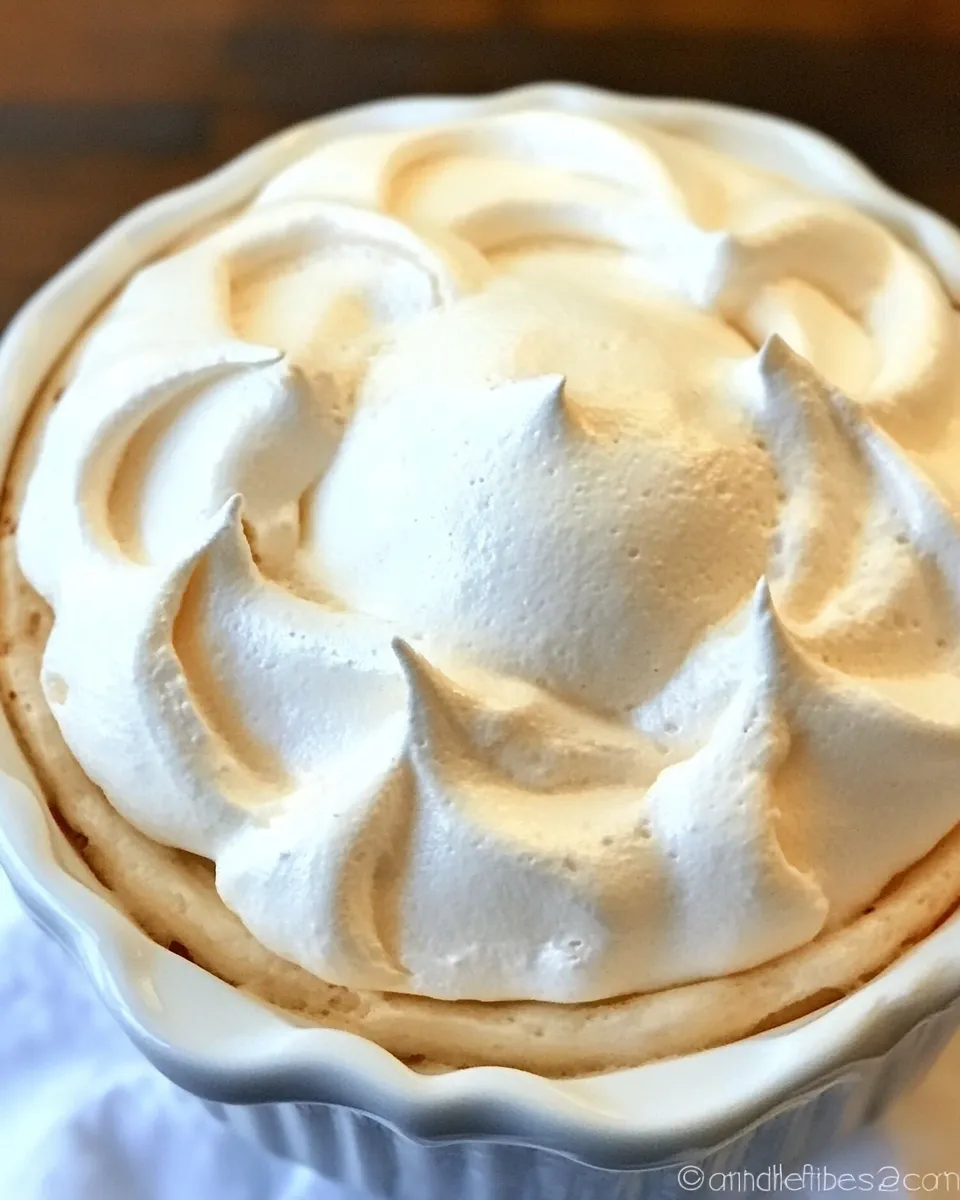
This meringue recipe stands out for its simplicity and the quality of results it yields. With just a few basic ingredients, you can achieve a stable and glossy meringue that holds its shape beautifully. The combination of egg whites, cream of tartar, and sugar creates a structure that allows for the perfect balance of softness and crispness. This recipe is perfect for beginners and seasoned bakers alike, ensuring success every time you whip it up.
What’s in the Bowl
To make this delicious meringue, you will need the following ingredients:
- 4 large egg whites (140g) – The star of the show, providing the base for your meringue.
- 1/4 teaspoon cream of tartar (0.75g) – This stabilizer helps the egg whites hold their shape and increase volume.
- 1/4 cup sugar (50g) – Adds sweetness and contributes to the glossy finish of the meringue.
Equipment Breakdown
To successfully make meringue, you’ll need the right tools:
- Mixing bowl – A large, clean bowl is essential for whipping the egg whites.
- Electric mixer – A hand mixer or stand mixer will save you time and effort when whipping the egg whites.
- Rubber spatula – For folding in ingredients gently without deflating the meringue.
- Baking sheet – A flat surface for baking your meringue, lined with parchment paper for easy removal.
- Oven – To dry out the meringue at a low temperature.
Cook Meringue Recipe Like This
Step 1: Prepare Your Ingredients
Start by separating the egg whites from the yolks. Make sure there are no traces of yolk in the whites, as even a small amount can prevent the meringue from whipping properly.
Step 2: Whip the Egg Whites
In your mixing bowl, combine the egg whites and cream of tartar. Using your electric mixer, beat the egg whites on medium speed until they become frothy.
Step 3: Add Sugar Gradually
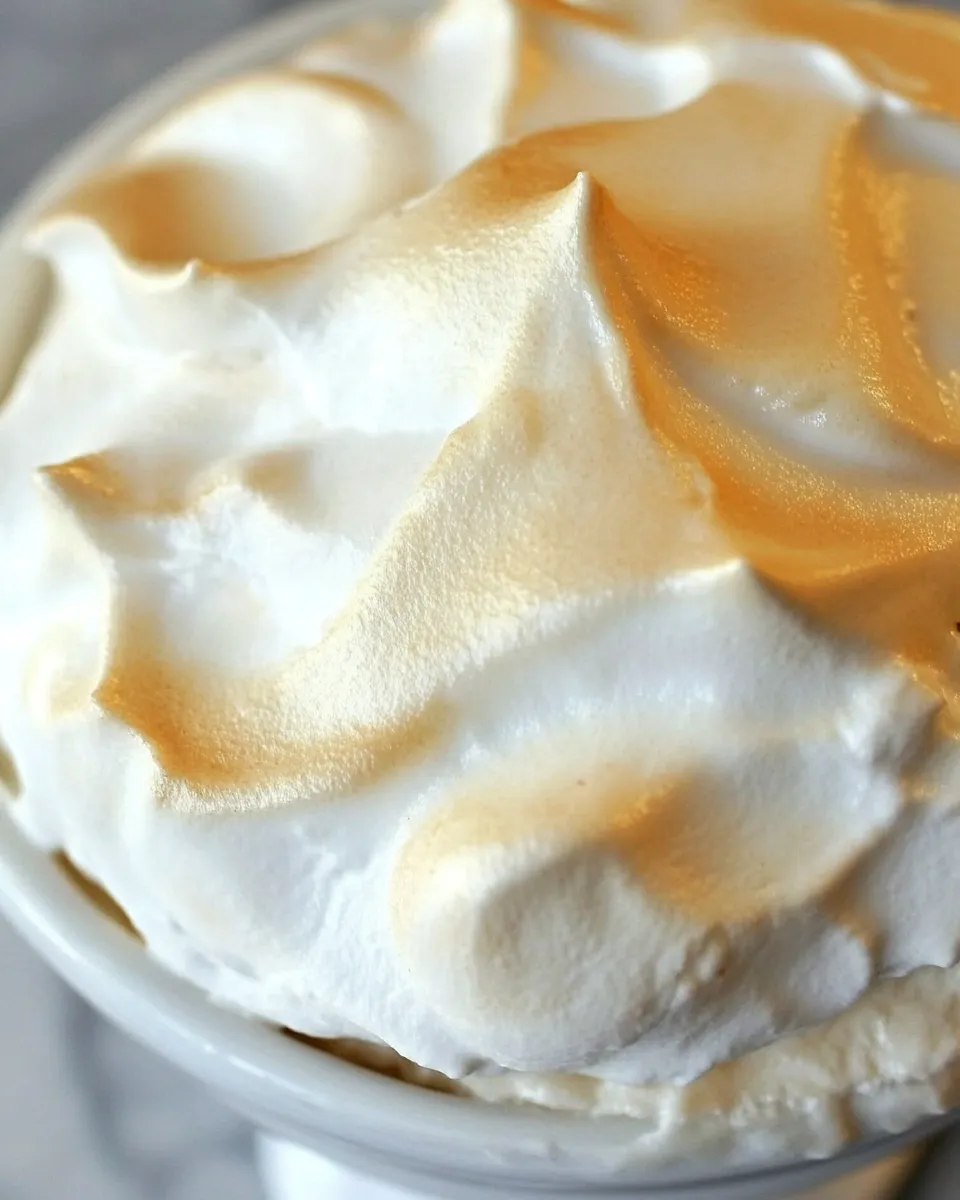
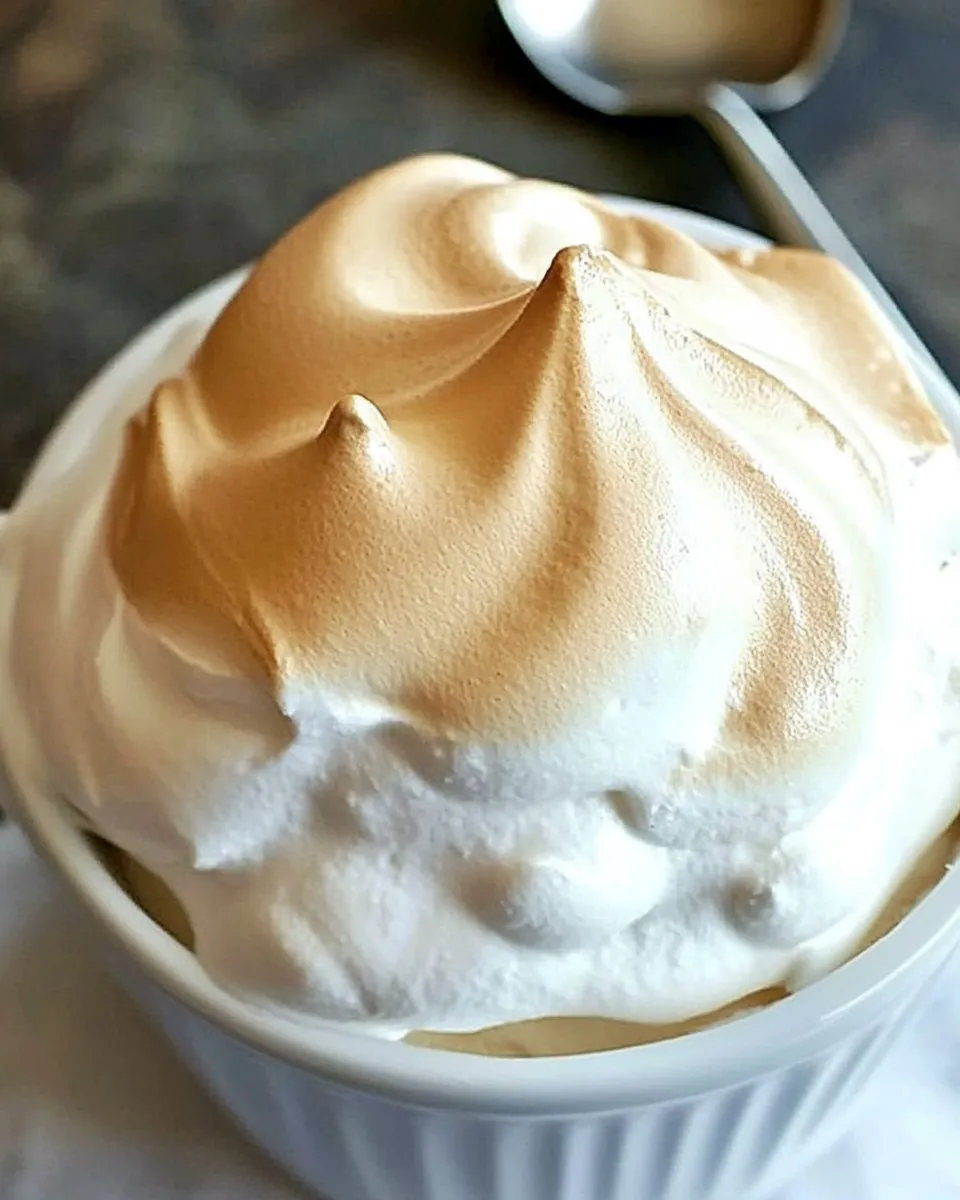
Once the egg whites are frothy, gradually add the sugar, one tablespoon at a time. Continue to beat on high speed until the mixture becomes glossy and stiff peaks form. This should take about 5-7 minutes.
Step 4: Test for Stiff Peaks
To test if your meringue is ready, lift the beaters from the bowl. The peaks should stand tall and not droop. If they do, keep beating for another minute or two.
Step 5: Pipe or Spoon onto Baking Sheet
Using a spatula or piping bag, dollop or pipe the meringue onto your lined baking sheet. You can create small nests or swirls, depending on your preference.
Step 6: Bake Low and Slow
Preheat your oven to 200°F (93°C). Place the baking sheet in the oven and bake for about 1.5 to 2 hours. The meringues should be dry to the touch and easily lift off the parchment paper.
Step 7: Cool and Serve
Once baked, turn off the oven and let the meringues cool inside with the door ajar. This gradual cooling helps prevent cracks. Once cooled, they’re ready to be enjoyed or used in your favorite dessert, such as a French Chocolate Macaron Recipe!
Texture-Safe Substitutions
If you’re looking to experiment or need to make a few adjustments, consider these options:
- Egg white powder – A great alternative if you don’t have fresh egg whites on hand.
- Vinegar – Can be used instead of cream of tartar for stabilization.
- Powdered sugar – For a smoother texture, you can substitute granulated sugar with powdered sugar, though it may alter the final structure slightly.
Easy-to-Miss Gotchas
When making meringue, a few common pitfalls can lead to less-than-ideal results:
- Grease-free bowl: Ensure your mixing bowl is completely clean and free of grease, as it can hinder the egg whites from whipping properly.
- Room temperature egg whites: Using room temperature egg whites will yield better volume compared to cold ones.
- Humidity: Avoid making meringue on humid days, as moisture can prevent the meringue from drying out properly.
- Over-beating: While achieving stiff peaks is important, over-beating can cause the meringue to become dry and grainy.
Storage & Reheat Guide
Once your meringues are baked and cooled, proper storage is key to maintaining their texture:
- Room temperature: Store meringues in an airtight container at room temperature. They will stay fresh for a few days.
- Freezer: Meringues can be frozen for up to a month. Just make sure they are well-sealed to prevent freezer burn.
Your Top Questions
Can I add flavors to my meringue?
Absolutely! You can add a few drops of vanilla extract, almond extract, or even citrus zest to your meringue for extra flavor. Just be cautious not to add too much liquid, as it can affect the texture.
Why did my meringue deflate?
A common reason for deflation can be the presence of grease or yolk in the egg whites. Ensure your tools and ingredients are clean and free from fat. Additionally, if the meringue is not baked long enough, it may lose its structure.
What can I use meringue for besides cookies?
Meringue is incredibly versatile! You can use it as a topping for pies, like lemon meringue pie, or layer it in desserts such as pavlova. It can also be incorporated into recipes like Perfect Chocolate Buttercream for a light and fluffy frosting.
How do I know when my meringue is done baking?
Your meringue is done when it feels dry to the touch and easily lifts away from the parchment paper. It should also have a crisp exterior. The drying process is essential, so resist the urge to rush it!
If you enjoyed this , you’ll love trying your hand at these delightful treats:
That’s a Wrap
With this reliable Meringue Recipe, you have the foundation for countless desserts. The light and airy texture of meringue adds a touch of elegance to any dish. So whether you’re baking for a special occasion or simply indulging your sweet tooth, this recipe is sure to impress. Happy baking!
Meringue Recipe
Ingredients
Equipment
Method
- Step 1: Prepare Your Ingredients - Start by separating the egg whites from the yolks. Make sure there are no traces of yolk in the whites, as even a small amount can prevent the meringue from whipping properly.
- Step 2: Whip the Egg Whites - In your mixing bowl, combine the egg whites and cream of tartar. Using your electric mixer, beat the egg whites on medium speed until they become frothy.
- Step 3: Add Sugar Gradually - Once the egg whites are frothy, gradually add the sugar, one tablespoon at a time. Continue to beat on high speed until the mixture becomes glossy and stiff peaks form. This should take about 5-7 minutes.
- Step 4: Test for Stiff Peaks - To test if your meringue is ready, lift the beaters from the bowl. The peaks should stand tall and not droop. If they do, keep beating for another minute or two.
- Step 5: Pipe or Spoon onto Baking Sheet - Using a spatula or piping bag, dollop or pipe the meringue onto your lined baking sheet. You can create small nests or swirls, depending on your preference.
- Step 6: Bake Low and Slow - Preheat your oven to 200°F (93°C). Place the baking sheet in the oven and bake for about 1.5 to 2 hours. The meringues should be dry to the touch and easily lift off the parchment paper.
- Step 7: Cool and Serve - Once baked, turn off the oven and let the meringues cool inside with the door ajar. This gradual cooling helps prevent cracks. Once cooled, they’re ready to be enjoyed or used in your favorite dessert.
Notes
- Ensure your mixing bowl is completely clean and free of grease.
- Using room temperature egg whites will yield better volume.
- Avoid making meringue on humid days for best results.