Ciabatta
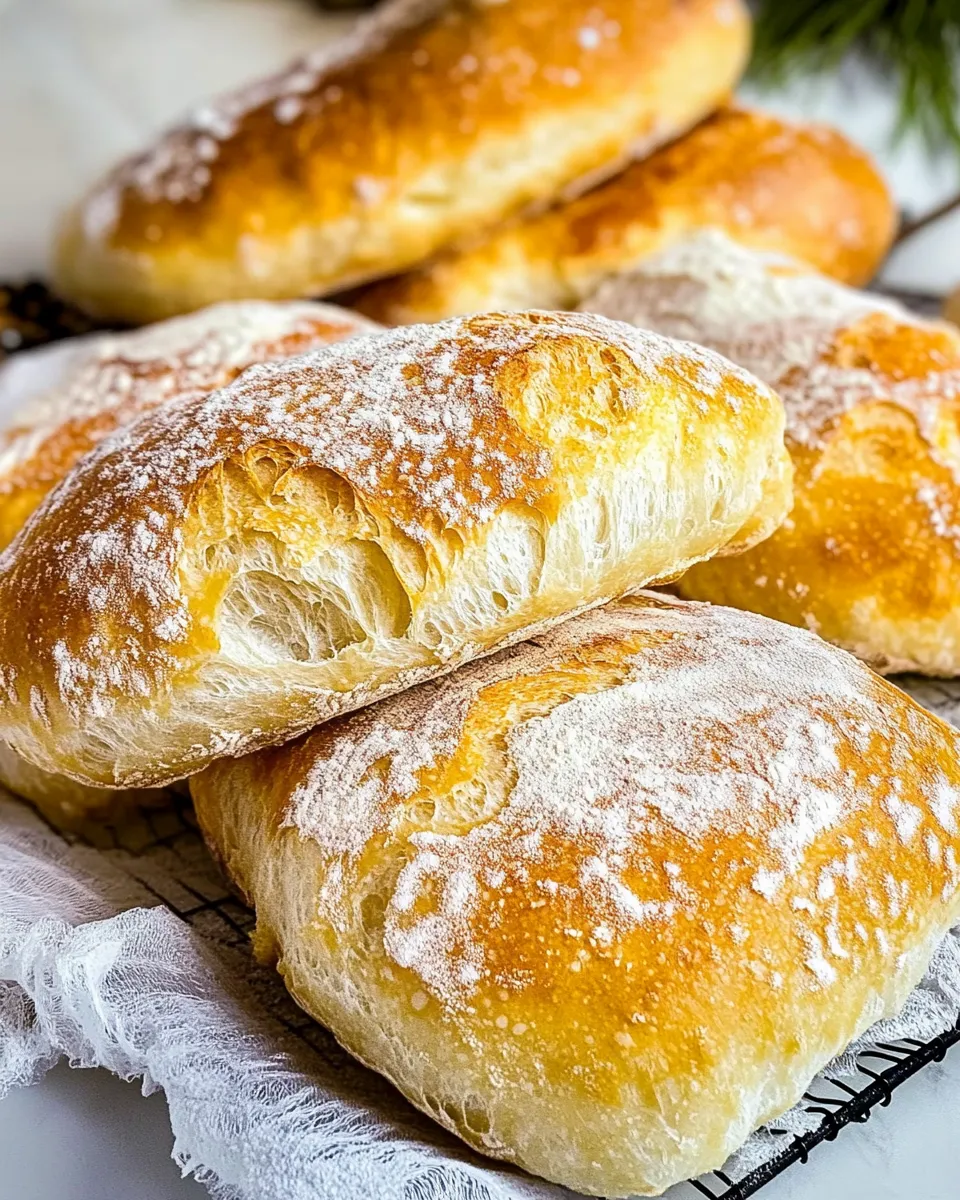
Ciabatta, with its rustic crust and airy crumb, is a beloved Italian bread that brings a touch of authenticity to any meal. The name “ciabatta” translates to “slipper” in Italian, which aptly describes its unique shape. Making ciabatta at home may seem daunting, but it’s truly a rewarding experience that fills your kitchen with the irresistible aroma of freshly baked bread. With just a handful of ingredients, this ciabatta recipe is both approachable and delicious. Let’s dive into the world of ciabatta and explore how to create this classic bread from scratch.
Top Reasons to Make Ciabatta
- Freshness: Nothing compares to the taste of freshly baked ciabatta straight from your oven.
- Customization: You can easily add herbs, olives, or even cheese to personalize your ciabatta.
- Simple Ingredients: This recipe uses basic pantry staples, making it accessible to everyone.
- Perfect for Sandwiches: Ciabatta’s airy texture and crispy crust make it ideal for sandwiches or bruschetta.
- Impressive Presentation: A homemade loaf of ciabatta is sure to impress family and friends.
Shopping List
- 9 cups all-purpose flour
- 1 tablespoon salt
- 4 cups warm water (room temperature)
- 3 teaspoons instant yeast
Before You Start: Equipment
- Mixing Bowl: A large bowl to mix your dough.
- Kitchen Scale: For precise measurements (optional but recommended).
- Wooden Spoon or Dough Scraper: To mix and handle the sticky dough.
- Baking Sheet: For baking the ciabatta loaves.
- Parchment Paper: To line your baking sheet (optional).
- Cooling Rack: To let your bread cool evenly after baking.
Build Ciabatta Step by Step
Step 1: Prepare the Dough
In a large mixing bowl, combine the 9 cups of all-purpose flour and 1 tablespoon of salt. Mix them well to ensure even distribution. In a separate bowl, combine the 4 cups of warm water and 3 teaspoons of instant yeast. Allow the yeast to dissolve for a few minutes.
Step 2: Combine Ingredients
Gradually pour the yeast mixture into the flour mixture, using a wooden spoon or dough scraper to mix until a shaggy dough forms. The dough will be quite sticky, which is normal for ciabatta.
Step 3: First Rise
Cover the bowl with a damp kitchen towel or plastic wrap and let the dough rise at room temperature for about 12 to 18 hours. The dough should double in size and have a bubbly surface.
Step 4: Shape the Dough
Once the dough has risen, flour your work surface generously. Turn the dough onto the floured surface and divide it into two equal portions. Gently stretch and shape each portion into a rectangular loaf, taking care not to deflate the dough too much.
Step 5: Second Rise
Place the shaped loaves on a floured baking sheet or parchment paper. Cover them with a kitchen towel and let them rise for another 1 to 2 hours, or until they have puffed up significantly.
Step 6: Preheat the Oven
About 30 minutes before baking, preheat your oven to 450°F (232°C). Place a baking stone or an empty baking sheet in the oven to heat up as well.
Step 7: Bake the Ciabatta
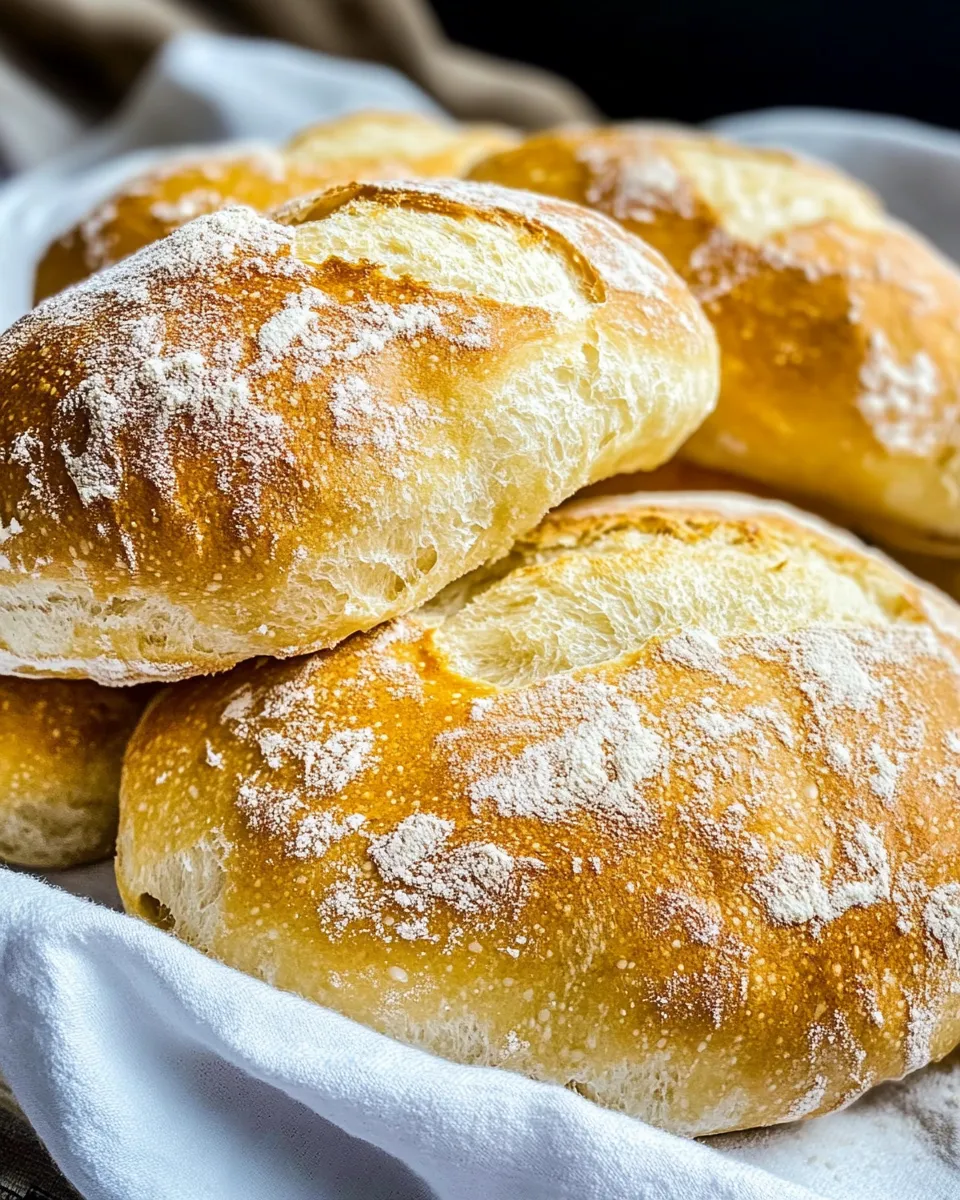
Once the oven is preheated, carefully transfer the loaves onto the hot baking stone or baking sheet. Bake for 25 to 30 minutes, or until the crust is golden brown and the loaves sound hollow when tapped on the bottom.
Step 8: Cool and Enjoy
Remove the ciabatta from the oven and transfer it to a cooling rack. Allow it to cool for at least 30 minutes before slicing. Enjoy your homemade ciabatta with olive oil, vinegar, or as a base for your favorite sandwich creations!
Quick Replacement Ideas
- For a whole grain option, substitute half of the all-purpose flour with whole wheat flour.
- If you don’t have instant yeast, you can use active dry yeast; just dissolve it in warm water and let it sit for 10 minutes before mixing.
- For added flavor, incorporate herbs like rosemary or thyme into the dough.
- Swap water for milk for a richer flavor and texture.
Errors to Dodge
- Using cold water: Ensure your water is warm to help activate the yeast properly.
- Skipping the long rise: Patience is key; allowing the dough to rise for an extended period develops flavor and texture.
- Overworking the dough: Ciabatta should be mixed just enough to combine ingredients; avoid kneading it too much.
- Not using enough flour when shaping: The dough is sticky, so flour your hands and surface generously to prevent sticking.
Meal Prep & Storage Notes
Ciabatta is best enjoyed fresh, but if you have leftovers, store them in a paper bag at room temperature for up to 2 days. For longer storage, wrap the cooled loaves tightly in plastic wrap and freeze for up to 3 months. To refresh frozen ciabatta, simply thaw it at room temperature and reheat in the oven for a few minutes before serving.
Questions People Ask
Can I use bread flour instead of all-purpose flour?
Yes, bread flour can be used for a chewier texture, but you may need to adjust the water as bread flour absorbs more moisture.
Why is my ciabatta dough so sticky?
Ciabatta dough is naturally sticky due to its high hydration. Be sure to use plenty of flour when handling it to manage the stickiness.
Can I add ingredients like olives or cheese to the dough?
Absolutely! Feel free to fold in ingredients like olives, sun-dried tomatoes, or shredded cheese after the first rise for added flavor.
How do I know when the ciabatta is done baking?
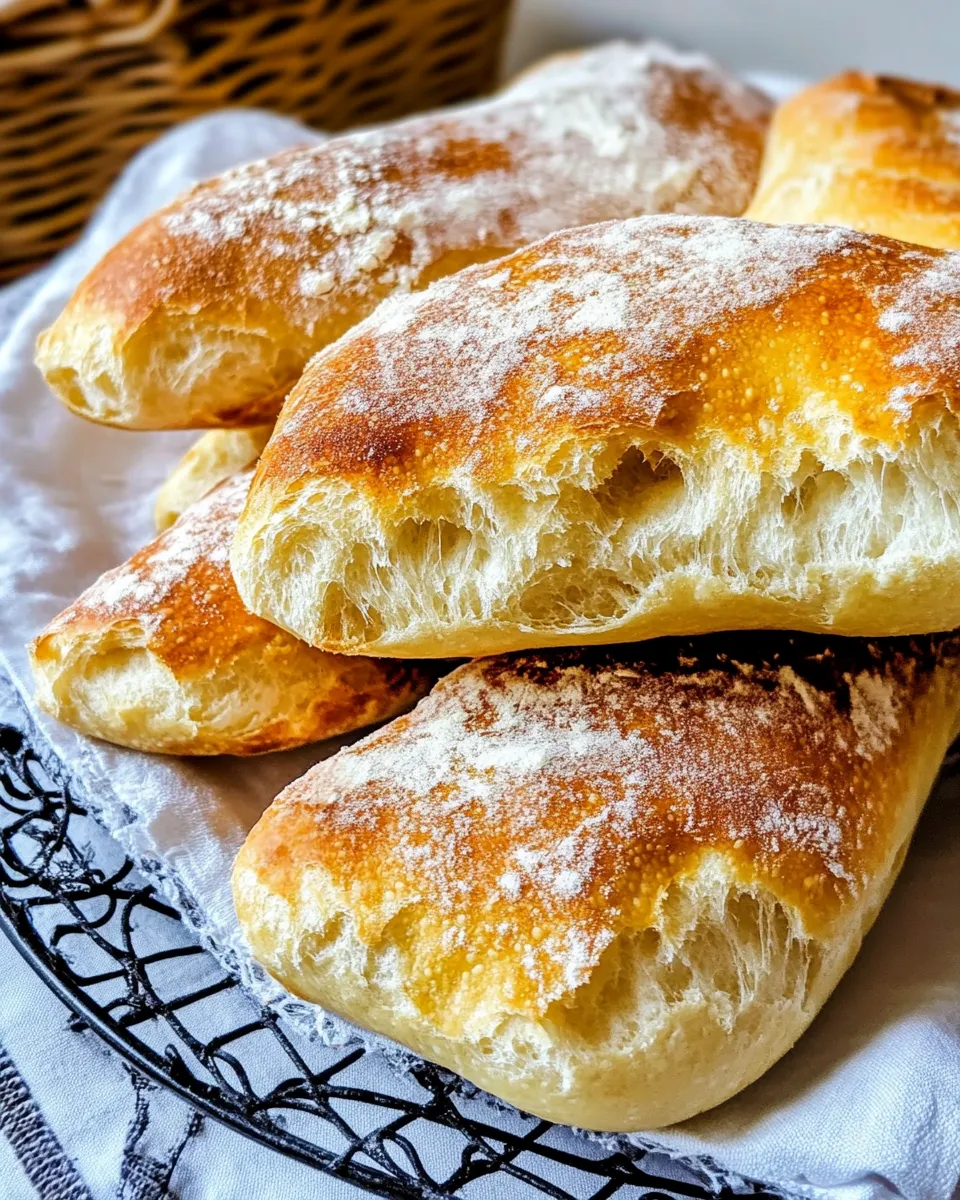
The loaf should be golden brown and sound hollow when tapped on the bottom. An internal temperature of around 200°F (93°C) is also a good indicator that it’s fully baked.
The Last Word
Making ciabatta from scratch is not just about baking; it’s about the joy of creating something delicious with your own hands. This bread, with its beautiful crust and airy crumb, is a true testament to the art of bread making. Whether you enjoy it plain, with a drizzle of olive oil, or as the foundation of your favorite sandwich, ciabatta is sure to delight. Remember, practice makes perfect. So don’t hesitate to bake this rustic bread again and again, adjusting and fine-tuning until you find your perfect loaf. Happy baking!
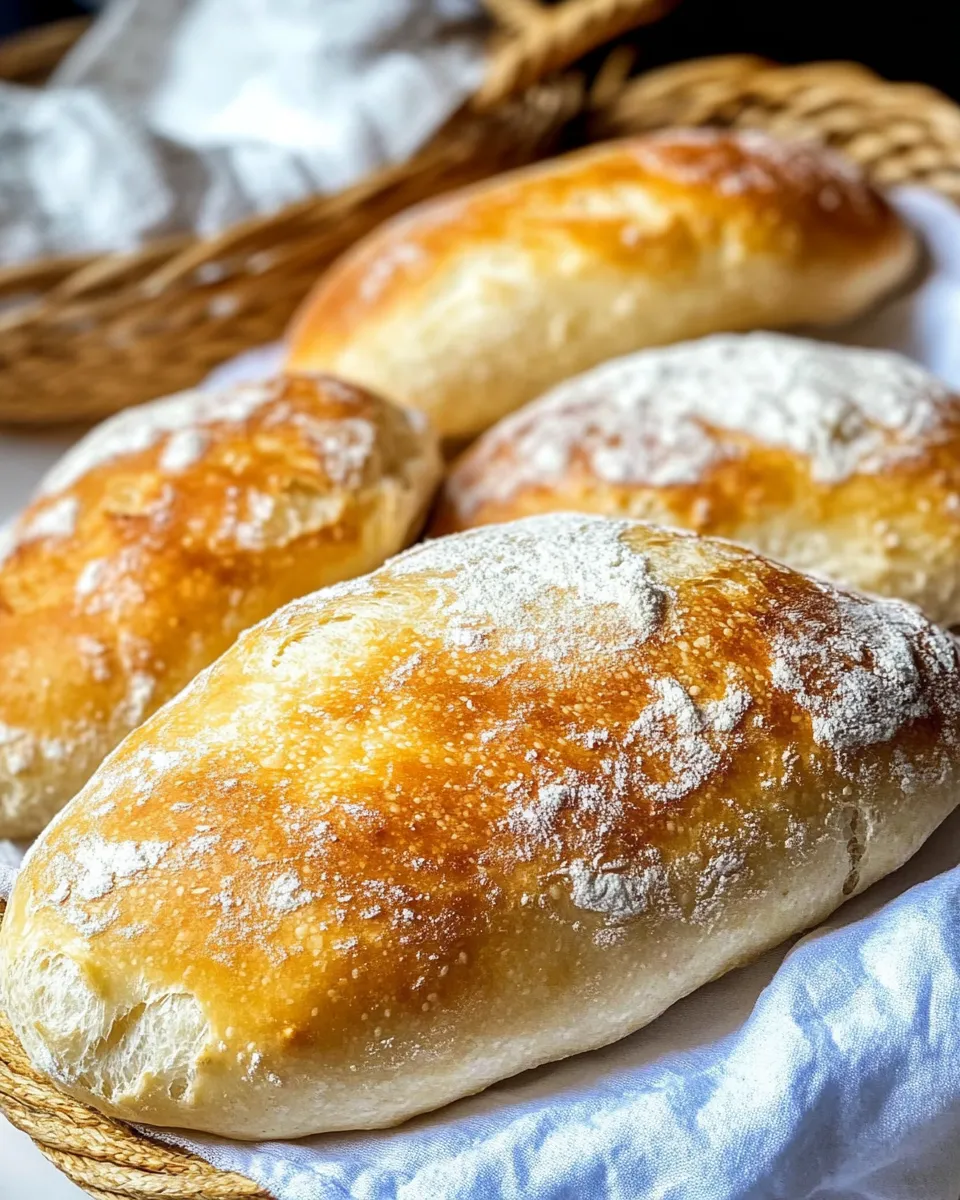
Ciabatta
Ingredients
Equipment
Method
- In a large mixing bowl, combine the 9 cups of all-purpose flour and 1 tablespoon of salt. Mix them well to ensure even distribution. In a separate bowl, combine the 4 cups of warm water and 3 teaspoons of instant yeast. Allow the yeast to dissolve for a few minutes.
- Gradually pour the yeast mixture into the flour mixture, using a wooden spoon or dough scraper to mix until a shaggy dough forms. The dough will be quite sticky, which is normal for ciabatta.
- Cover the bowl with a damp kitchen towel or plastic wrap and let the dough rise at room temperature for about 12 to 18 hours. The dough should double in size and have a bubbly surface.
- Once the dough has risen, flour your work surface generously. Turn the dough onto the floured surface and divide it into two equal portions. Gently stretch and shape each portion into a rectangular loaf, taking care not to deflate the dough too much.
- Place the shaped loaves on a floured baking sheet or parchment paper. Cover them with a kitchen towel and let them rise for another 1 to 2 hours, or until they have puffed up significantly.
- About 30 minutes before baking, preheat your oven to 450°F (232°C). Place a baking stone or an empty baking sheet in the oven to heat up as well.
- Once the oven is preheated, carefully transfer the loaves onto the hot baking stone or baking sheet. Bake for 25 to 30 minutes, or until the crust is golden brown and the loaves sound hollow when tapped on the bottom.
- Remove the ciabatta from the oven and transfer it to a cooling rack. Allow it to cool for at least 30 minutes before slicing. Enjoy your homemade ciabatta with olive oil, vinegar, or as a base for your favorite sandwich creations!
Notes
- Store ciabatta in a paper bag at room temperature for up to 2 days.
- Wrap cooled loaves in plastic wrap and freeze for up to 3 months.
- To refresh frozen ciabatta, thaw at room temperature and reheat in the oven.