Sauted Vegetables
There’s nothing quite like a vibrant plate of sautéed vegetables to brighten your meal! These colorful veggies are not only a feast for the eyes but also a powerhouse of nutrients. With the right combination of ingredients and a few simple steps, you can create a delicious side dish or a satisfying main course. Let’s dive into the world of sauted vegetables and discover how to make this delightful dish.
What Makes This Recipe Special
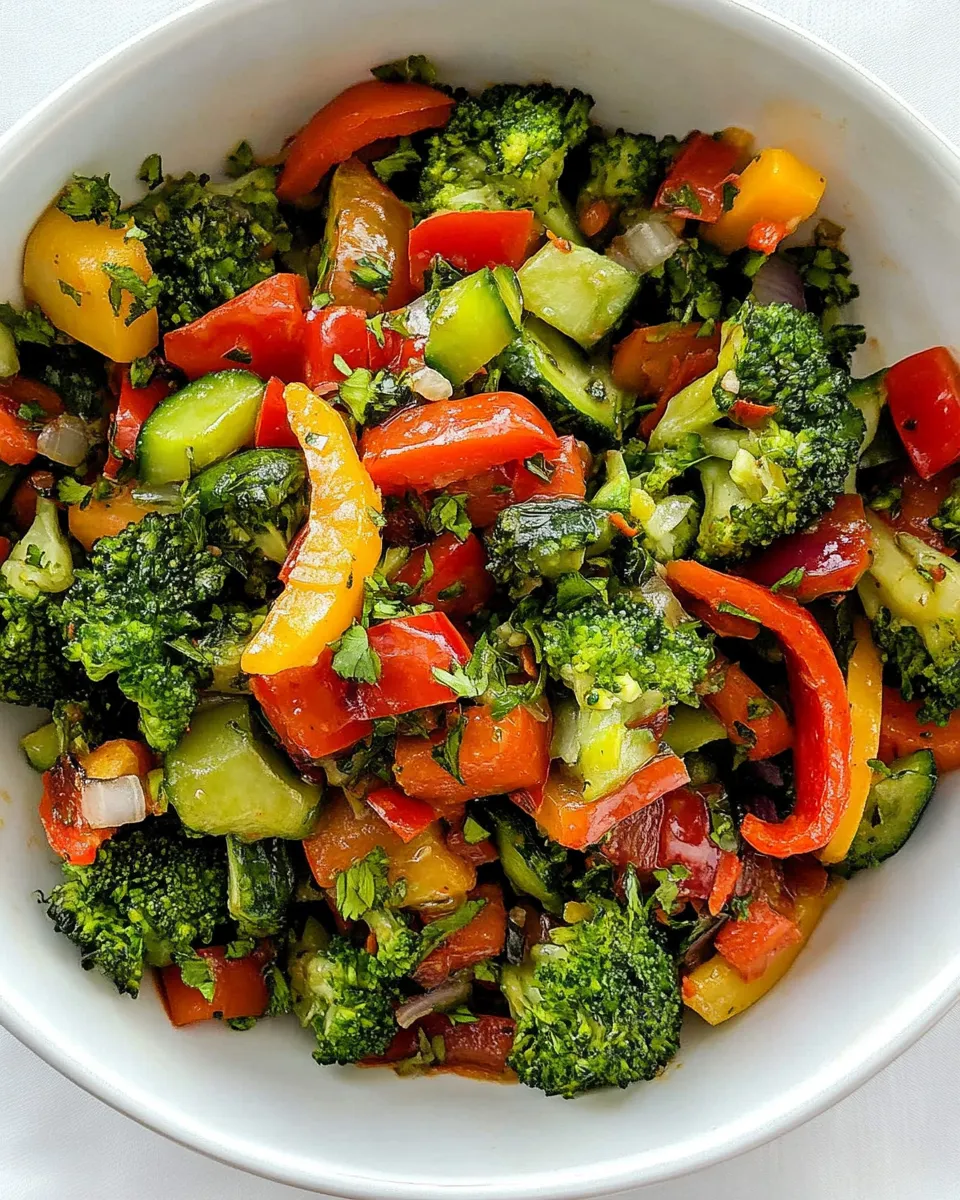
This sauted vegetables recipe is a celebration of fresh, seasonal produce that comes together in under 30 minutes. The combination of tender-crisp veggies, aromatic garlic, and fragrant thyme creates a dish that’s bursting with flavor. Plus, the addition of fresh parsley and a squeeze of lemon juice at the end elevates the taste profile, making it a perfect complement to any meal. Whether you’re looking for a quick side or a main course, this recipe is versatile enough to fit any occasion.
What Goes Into Sauted Vegetables
To make this flavorful dish, you’ll need the following ingredients:
- 2 tablespoons olive oil – for sautéing and flavor
- 1/2 medium red onion, chopped – adds sweetness and depth
- 2 medium carrots, peeled and sliced – for crunch and color
- 1 medium red bell pepper, chopped – a sweet and juicy addition
- 2 cups broccoli florets, cut into bite-size pieces – for nutrition and texture
- 1 medium zucchini, sliced – for a tender yet firm consistency
- 1 tablespoon garlic, minced – for a robust flavor
- 1 teaspoon fresh thyme leaves – for an aromatic touch
- Salt and black pepper to taste – for seasoning
- 2 tablespoons fresh parsley, chopped – for freshness
- 1 tablespoon fresh lemon juice – to brighten the dish
Prep & Cook Tools
Before we start cooking, gather the following tools:
- Cutting board – for chopping vegetables safely
- Sharp knife – to ensure clean cuts and quick prep
- Large skillet or frying pan – for sautéing the vegetables
- Wooden spoon or spatula – for stirring and mixing
- Measuring spoons – to measure out the olive oil and seasonings
Build Sauted Vegetables Step by Step
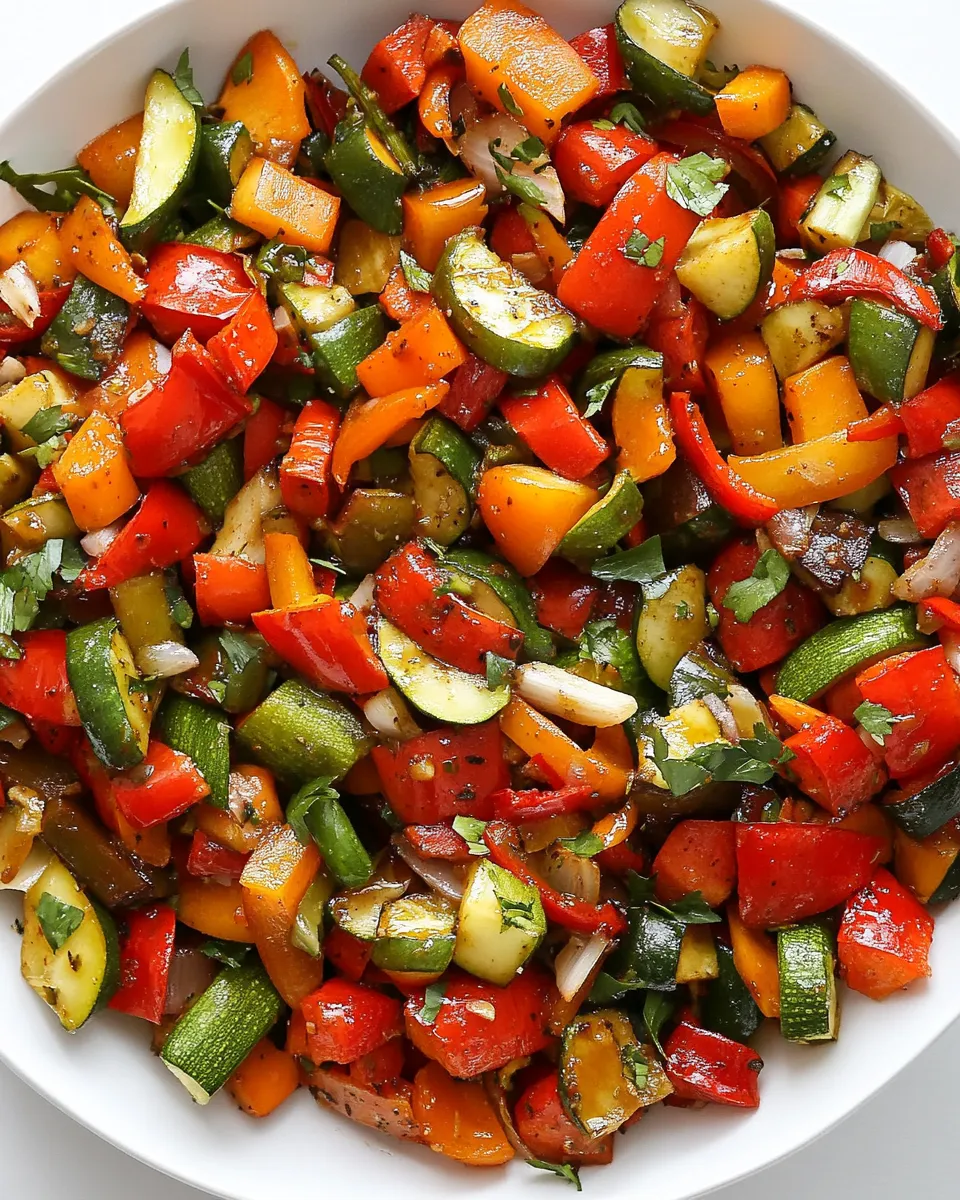
Now that we have everything ready, let’s sauté our vegetables!
Step 1: Prepare the Vegetables
Begin by washing and chopping all the vegetables as outlined in the ingredients list. Make sure to slice the carrots and zucchini evenly for uniform cooking.
Step 2: Heat the Oil
In a large skillet, heat the 2 tablespoons of olive oil over medium heat. Allow it to warm for about a minute until it shimmers.
Step 3: Sauté the Onions and Carrots
Add the chopped red onion and sliced carrots to the skillet. Sauté for about 3-4 minutes, stirring occasionally, until the onions are translucent and the carrots begin to soften.
Step 4: Add the Bell Pepper and Broccoli
Next, stir in the chopped red bell pepper and broccoli florets. Continue to sauté for another 5 minutes, allowing the vegetables to become tender but still crisp.
Step 5: Incorporate Zucchini and Garlic
Add the sliced zucchini and minced garlic to the pan. Sauté for an additional 2-3 minutes until the zucchini is tender and the garlic is fragrant.
Step 6: Season and Finish
Sprinkle in the fresh thyme leaves, salt, and black pepper to taste. Give everything a good toss to combine. After a minute, remove the skillet from the heat and stir in the chopped parsley and lemon juice.
Easy Ingredient Swaps

If you find yourself missing an ingredient or two, don’t worry! Here are some easy swaps:
- Olive oil: Can be replaced with avocado oil or coconut oil.
- Red onion: Yellow onion or shallots work well in a pinch.
- Broccoli: Cauliflower or green beans can be substituted.
- Fresh thyme: Dried thyme or Italian seasoning can be used for a different flavor.
Missteps & Fixes
Even the best chefs make mistakes! Here are a few common missteps with sauted vegetables and how to fix them:
- Overcooked veggies: If your vegetables become mushy, lower the heat next time and cook them for a shorter period.
- Too much oil: If you find the dish too oily, add more vegetables or a splash of vegetable broth to balance it out.
- Lack of flavor: Always taste your dish before serving. If it needs more flavor, a bit more salt or lemon juice can do wonders.
Storage Pro Tips
Leftover sauted vegetables can be a lifesaver for meal prep! Here’s how to store them properly:
- Allow the vegetables to cool completely before transferring them to an airtight container.
- Store in the refrigerator for up to 3 days.
- To reheat, simply warm them in the microwave or on the stovetop until heated through.
Popular Questions
Can I use frozen vegetables instead of fresh?
Yes! Frozen vegetables are a great alternative and can save time. Just be sure to adjust the cooking time, as they may need a bit longer to become tender.
What dishes pair well with sautéed vegetables?
Sautéed vegetables are incredibly versatile. They make a great side dish for grilled chicken, fish, or as a topping for pasta. You can even serve them over quinoa or brown rice for a hearty meal.
How do I make sautéed vegetables spicy?
If you like a little heat, consider adding red pepper flakes or a dash of hot sauce while sautéing. You can also include sliced jalapeños for extra spice.
Can I add proteins to the sautéed vegetables?
Absolutely! Adding tofu, chicken, or shrimp can turn your sauted vegetables into a complete meal. Just ensure to cook the protein first, then add the vegetables.
If you enjoyed this recipe, you might also like these delicious dishes:
See You at the Table
Sautéed vegetables are not just a side dish; they’re a canvas for creativity in your kitchen. With vibrant colors and fresh flavors, they can transform any meal into something special. Whether enjoyed on their own or as a complement to your favorite proteins, these sauted vegetables are sure to please. So gather your ingredients, follow the steps, and enjoy the process of creating a delicious dish that’s as nourishing as it is delightful! Happy cooking!

Sauted Vegetables
Ingredients
Equipment
Method
- Begin by washing and chopping all the vegetables as outlined in the ingredients list. Make sure to slice the carrots and zucchini evenly for uniform cooking.
- In a large skillet, heat the 2 tablespoons of olive oil over medium heat. Allow it to warm for about a minute until it shimmers.
- Add the chopped red onion and sliced carrots to the skillet. Sauté for about 3-4 minutes, stirring occasionally, until the onions are translucent and the carrots begin to soften.
- Next, stir in the chopped red bell pepper and broccoli florets. Continue to sauté for another 5 minutes, allowing the vegetables to become tender but still crisp.
- Add the sliced zucchini and minced garlic to the pan. Sauté for an additional 2-3 minutes until the zucchini is tender and the garlic is fragrant.
- Sprinkle in the fresh thyme leaves, salt, and black pepper to taste. Give everything a good toss to combine. After a minute, remove the skillet from the heat and stir in the chopped parsley and lemon juice.
Notes
- Feel free to swap olive oil with avocado or coconut oil.
- Use yellow onion or shallots if red onion is unavailable.
- Store leftovers in an airtight container in the refrigerator for up to 3 days.